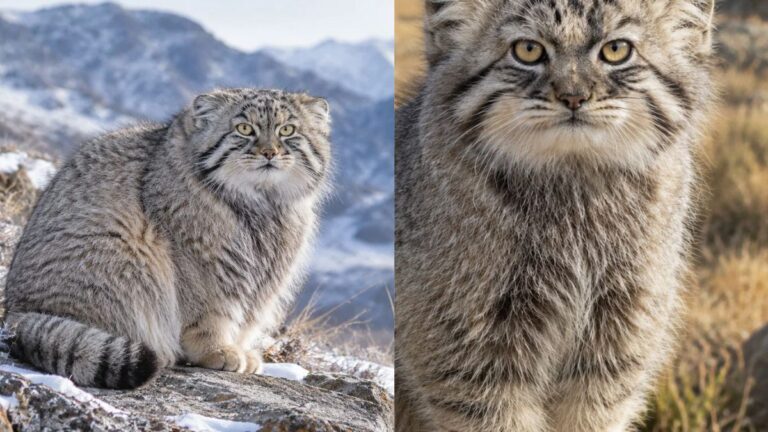
Canada Lynx Habitat: Where They Live Across North America

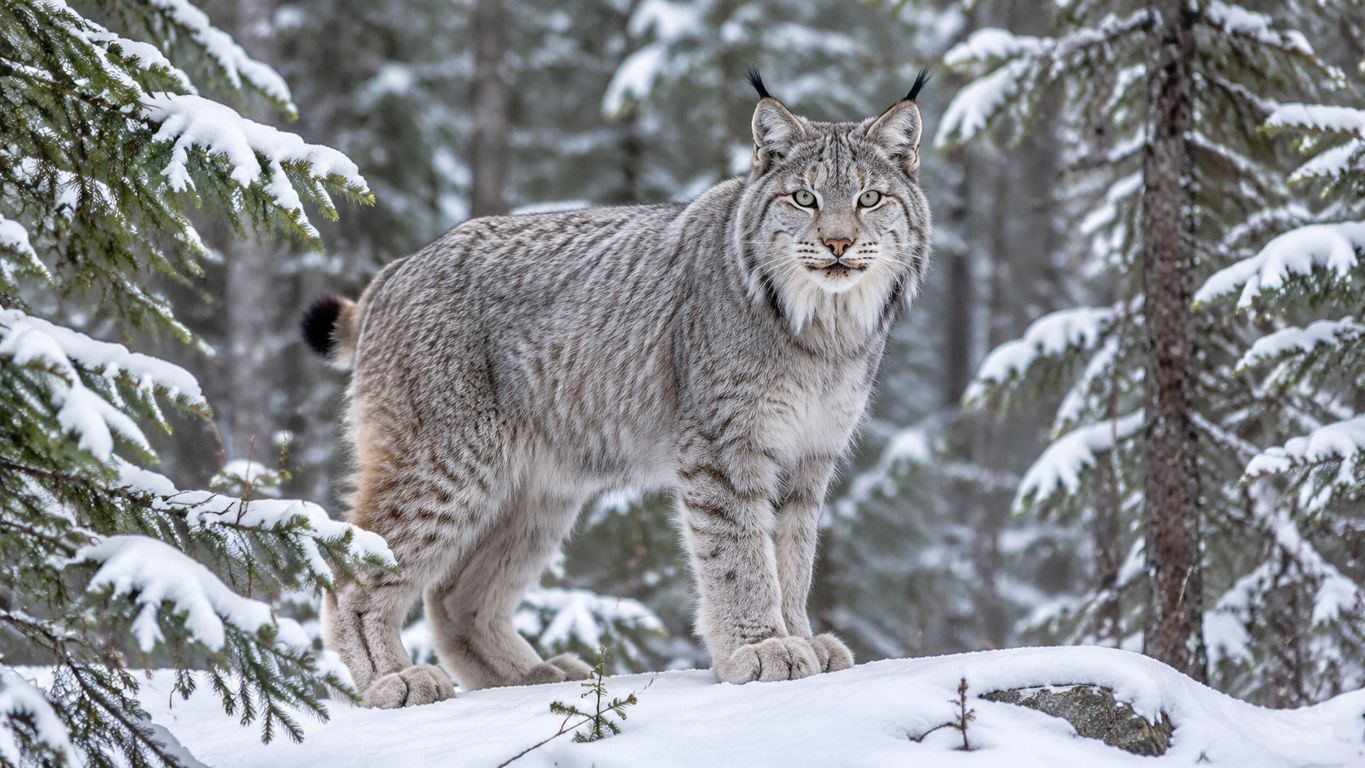
Canada lynx live mainly in the northern forests of Alaska and Canada, with smaller populations in parts of the United States. These wild cats prefer cold, snowy environments with plenty of forest cover and access to their favorite prey, the snowshoe hare.
Their habitat is more than just a place filled with trees. Canada lynx need suitable winter conditions, enough food, safe places to rest, and connected forest areas where they can move freely.
Understanding where Canada lynx live and what makes their habitat suitable helps explain why protecting northern forests is so important.
Key Takeaways
- Canada lynx mainly live in northern forests across Alaska and Canada.
- They prefer cold environments with snowy winters and forest cover.
- Snowshoe hares are an important food source.
- Different forest areas provide places for hunting, resting, and raising kittens.
- Habitat fragmentation and climate change can affect their natural environment.
- Some Canada lynx populations also live in northern and mountainous parts of the United States.
What Climate and Forest Biome Do Canada Lynx Need?
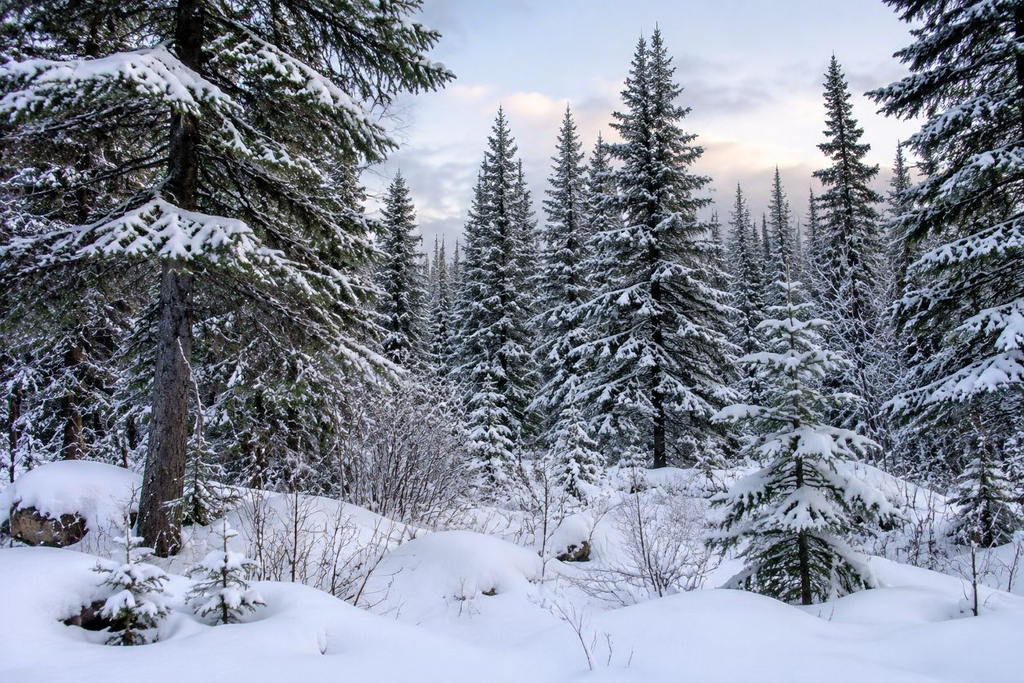
Canada lynx are well adapted to cold environments. They generally prefer forests with long, snowy winters, suitable vegetation, and enough prey to survive.
Boreal forests are especially important to this species. These northern forests contain many conifer trees and experience cold seasonal conditions. They provide the type of environment where lynx can find shelter and hunt.
Sub-boreal forests can also provide suitable habitat. These forests are found farther south and share some features with the main boreal forest region.
Boreal and Sub-Boreal Forest Belts
The boreal forest stretches across large parts of northern North America, including Alaska and Canada. It contains extensive areas of spruce, fir, pine, and other trees.
These forests provide cover for Canada lynx and create suitable environments for snowshoe hares. Farther south, suitable habitat becomes more scattered, particularly in mountainous areas.
The local environment can vary depending on elevation, tree species, and winter weather. Not every forest can support a healthy lynx population.
Why Conifer Cover Matters
Conifer trees are important because they provide shelter throughout the year. Their branches and forest structure offer protection from harsh weather and create cover for wildlife.
Dense vegetation can also support snowshoe hares, which are an important part of the Canada lynx diet.
However, simply having a forest does not guarantee suitable lynx habitat. The area must also provide appropriate winter conditions, enough prey, and places where lynx can safely live and reproduce.
Where Do Canada Lynx Live Across North America?
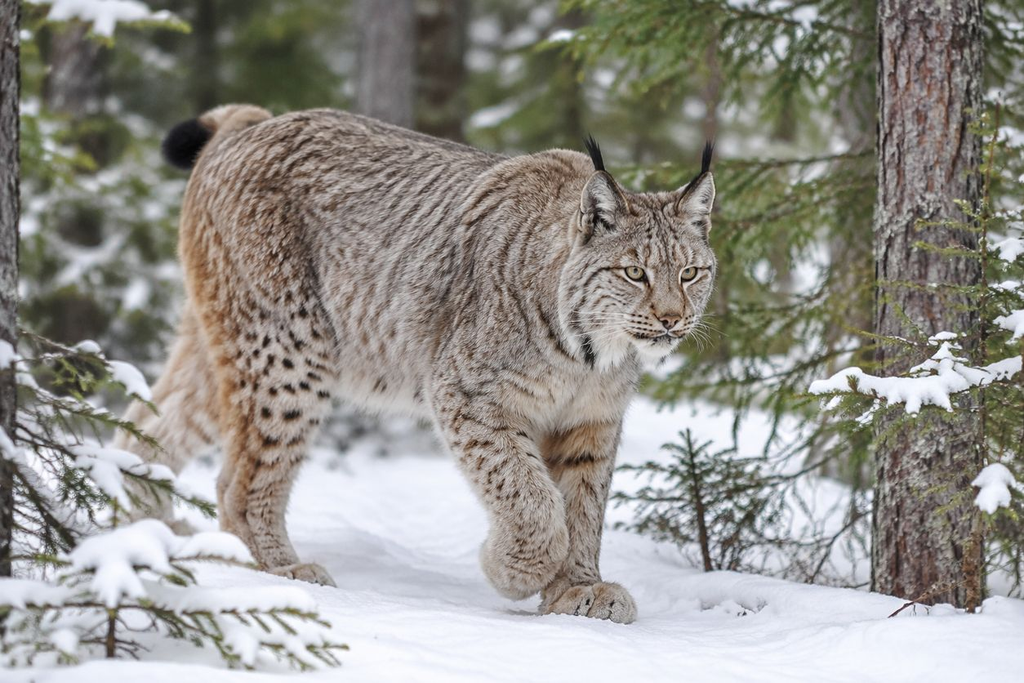
The Canada lynx has a broad natural range across northern North America. Its habitat extends through Alaska and much of Canada, while its presence in the contiguous United States is more limited.
The landscape is not the same everywhere. Northern forests cover large areas, while southern habitat is often found in smaller mountain regions.
It is also important to understand the difference between a historical range and a current population. A place where lynx lived in the past does not necessarily support a resident population today.
The Northern Range in Canada and Alaska
Alaska and Canada contain large areas of suitable Canada lynx habitat.
The northern landscape includes boreal forests, cold winters, and places where snowshoe hares are available. These conditions make many northern forest regions suitable for lynx.
Forest types vary across the region. Eastern areas include boreal forests that transition toward deciduous woodland, while western areas contain different types of mountain and conifer forests.
This variety shows that Canada lynx can use different forest environments as long as the necessary habitat conditions are present.
Historical Range in the Contiguous United States
Canada lynx historically lived in more areas of the northern United States than they occupy today.
Some locations that once supported lynx may no longer have established populations. Changes in habitat, local environmental conditions, and other pressures can affect where the species survives.
Historical records can help researchers understand where lynx once lived. However, an old sighting does not prove that a breeding population still exists in that location.
Where Is Canada Lynx Habitat Found in the United States?
In the contiguous United States, Canada lynx are associated with northern and mountainous forest regions.
Known breeding populations occur in Maine, Minnesota, Montana, and Washington. Colorado also has a reintroduced population in the southern Rocky Mountains.
These populations occupy different types of forest environments. They are not spread evenly across the country.
States With Established Breeding Populations
Maine and Minnesota contain Canada lynx habitat in the northeastern and upper Midwestern parts of the country.
Montana and Washington have suitable habitat in northern Rocky Mountain and Pacific Northwest forest regions.
These areas provide different combinations of forest cover, winter conditions, and prey. Their local environments help determine where lynx can survive and reproduce.
Canada lynx are sometimes confused with bobcats. However, lynx usually have longer ear tufts, large furry paws, and a distinctive black-tipped tail. Bobcats have different tail markings and generally smaller feet.
Colorado’s Reintroduced Population
Colorado has a reintroduced Canada lynx population in the southern Rocky Mountains.
Reintroduction means animals were returned to an area where the species had previously disappeared or become greatly reduced.
The mountain forests of Colorado can provide suitable conditions for lynx, including cold winters, snowy landscapes, and forest cover.
However, a suitable environment must also provide enough prey, shelter, and connected habitat for animals to survive over time.
How Does Snow Shape Canada Lynx Habitat?
Snow plays an important role in the life of a Canada lynx.
These wild cats have large, furry paws that help them walk across deep snow. Their feet work somewhat like natural snowshoes, allowing them to move through snowy forests more easily.
Deep snow can also give lynx an advantage over some other predators that are less adapted to snowy conditions.
Mountain forests in places such as Washington provide snowy environments where lynx can hunt and travel.
How Changing Snow Conditions Affect Lynx
Changes in winter weather can influence the quality of Canada lynx habitat.
Warmer conditions may cause snow to melt earlier or make snow cover less reliable in some areas. This can affect how lynx move, hunt, and compete with other predators.
A forest may remain full of trees but become less suitable if winter conditions change significantly.
This is why protecting Canada lynx habitat means considering both forest cover and the environmental conditions that make the forest useful to the species.
Why Are Snowshoe Hares Important to Canada Lynx?
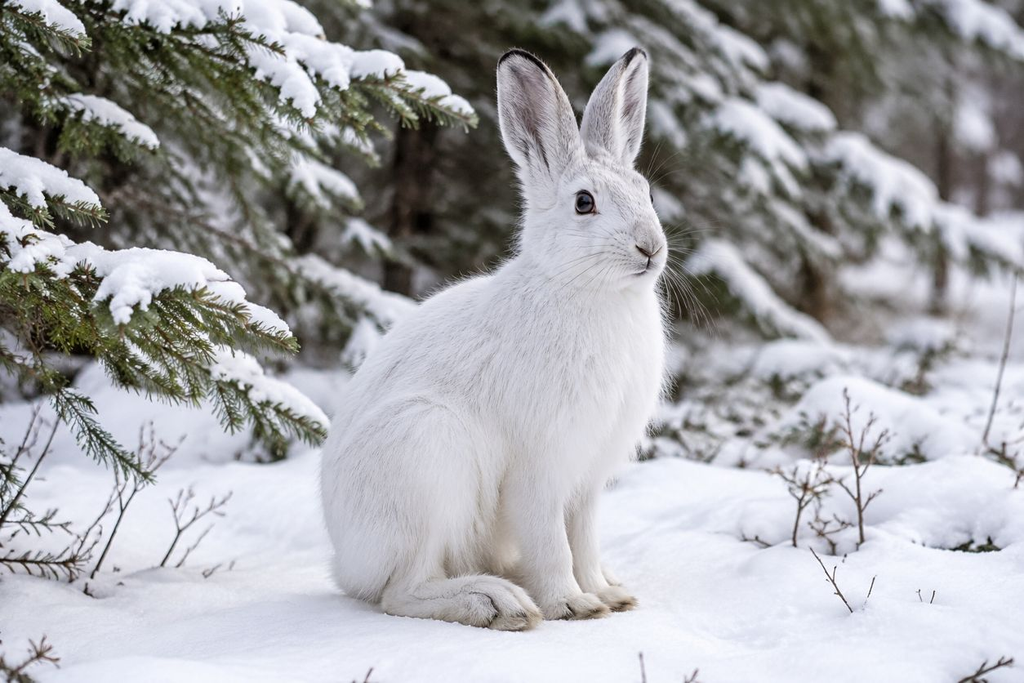
Snowshoe hares are one of the most important food sources for Canada lynx.
These hares live in forest environments and use vegetation for shelter. Their natural camouflage helps them blend into their surroundings and avoid predators.
Canada lynx are specially adapted to hunting in snowy forests. Their large paws, sharp senses, and hunting skills help them locate and catch prey.
The Relationship Between Lynx and Snowshoe Hares
The connection between Canada lynx and snowshoe hares is an important example of a predator-prey relationship.
When snowshoe hares are easy to find, lynx have better access to food. When hare populations decline, lynx may need to search for other prey.
However, other animals cannot always replace the food source that snowshoe hares provide.
Why Healthy Forests Support Their Food Supply
Snowshoe hares need vegetation and protective cover to survive.
Young plants, shrubs, and thick forest growth provide places where hares can hide and feed. These same forest features help create good hunting conditions for Canada lynx.
A healthy lynx habitat therefore needs to support both the predator and its prey.
Protecting forest vegetation is an important part of maintaining this natural relationship.
What Forest Structure Supports Hunting and Denning?
Canada lynx use different parts of a forest for hunting, resting, and raising their young.
Some forest areas have thick vegetation that provides good hunting cover. Other areas contain older trees and natural shelter that can help protect female lynx and their kittens.
A suitable landscape needs a mixture of forest conditions rather than only one type of tree growth.
Dense Young Growth for Hunting
Young forests often contain thick vegetation, shrubs, and small trees.
This dense growth can provide cover for snowshoe hares and create useful hunting environments for Canada lynx.
The vegetation makes it easier for prey animals to hide, while lynx can use the surrounding cover to move through the forest.
Young forest areas can be valuable, especially when they are connected to other suitable habitat.
Older Forest Cover and Sheltered Den Sites
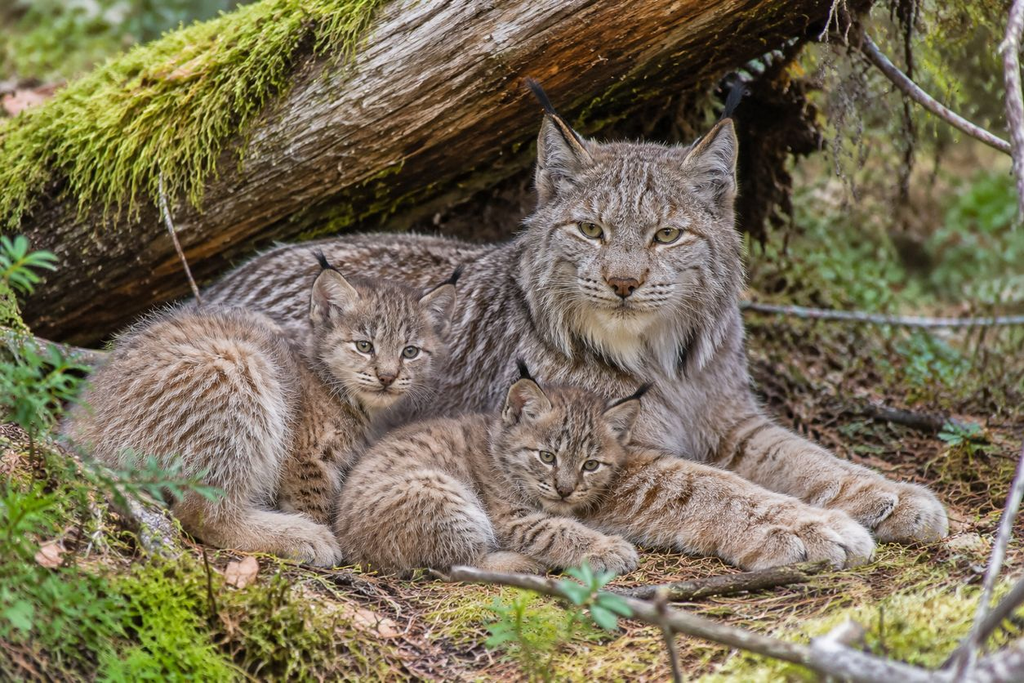
Older forests can provide shelter and protected places for female lynx to raise their kittens.
Canada lynx do not need elaborate dens. They may use natural features such as fallen trees, root systems, and thick vegetation for shelter.
These protected locations help keep kittens hidden from potential dangers.
A healthy forest landscape should include both hunting areas and safe places for raising young.
Why Does Connected Habitat Matter to Canada Lynx?
Canada lynx need enough space to move between hunting areas, resting places, and other parts of their natural range.
Large, connected forests make it easier for animals to travel through their environment.
However, roads, buildings, logging, and other forms of development can divide forests into smaller sections.
This process is known as habitat fragmentation.
Roads and Development as Barriers
Roads and developed areas can interrupt natural travel routes.
Even when suitable forest remains nearby, a road or other barrier may make it harder for lynx to reach food or move into another habitat area.
Fragmented landscapes can also make it more difficult for animals to find mates and maintain connections between populations.
Keeping Wildlife Movement Routes Open
Connected forest areas help wildlife move between different parts of the landscape.
Wooded corridors can provide useful travel routes between larger forest areas. Although a narrow corridor may not support an entire lynx population, it can help animals move through the region.
Protecting these connections is an important part of long-term wildlife conservation.
How Does Canada Lynx Habitat Vary by Region?
Canada lynx habitat changes across North America.
Northern regions contain extensive boreal forests, while southern populations often depend on smaller and more isolated mountain forests.
The type of forest, elevation, snowfall, and availability of prey all influence habitat suitability.
The Southern Rocky Mountains
The southern Rocky Mountains contain important Canada lynx habitat.
In areas of Colorado, southern Wyoming, and northern New Mexico, suitable environments include high-elevation spruce and fir forests.
These forests can provide dense vegetation, winter snow, and shelter.
However, mountain terrain can make suitable habitat more scattered. Forest connections are therefore important for lynx movement.
High-Elevation Forests in the Pacific Northwest
Washington also contains Canada lynx habitat in mountainous forest regions.
High-elevation forests can provide cold conditions, snowfall, and suitable cover.
Local conditions vary across the Pacific Northwest, so not every mountain forest is equally suitable.
The availability of prey and connected forest areas also helps determine whether a location can support lynx.
Boreal Habitat in the North
Northern Canada and Alaska contain much broader areas of boreal forest.
These forests provide extensive natural cover and environments where snowshoe hares can live.
Compared with southern mountain habitat, northern forests offer a much larger landscape for Canada lynx.
However, suitable habitat still depends on local weather, forest structure, and food availability.
How Do Wildfires and Forest Insects Affect Lynx Habitat?
Wildfires and insect outbreaks can change the structure of forests.
Their effects on Canada lynx habitat depend on the location, the severity of the disturbance, and how the forest recovers.
A disturbed forest is not always permanently unsuitable, but changes in vegetation can affect the cover and food sources that lynx need.
How Wildfires Change Forest Conditions
Wildfires can remove trees, shrubs, and other vegetation that provide shelter for wildlife.
After a fire, the forest may look very different. The return of vegetation can take time, especially in colder mountain environments.
As plants and trees grow back, the area may gradually provide more cover for wildlife.
However, the recovery process does not happen in the same way everywhere.
The Effects of Forest Insect Outbreaks
Forest insects can damage or kill trees, changing the structure of woodland areas.
These changes can affect the amount of shelter available to wildlife and influence the plants that grow beneath the forest canopy.
The long-term effects depend on the type of forest and how vegetation develops afterward.
Forest management and conservation planning should consider how disturbed areas may recover and whether nearby suitable habitat remains available.
Can Forest Management Create Better Lynx Habitat Over Time?
Responsible forest management can sometimes help create a mixture of forest conditions that benefits wildlife.
Young forest growth can provide vegetation for snowshoe hares, while older forest areas can offer shelter and denning locations for Canada lynx.
However, cutting trees does not automatically improve habitat.
The results depend on the type of forest, the way the land is managed, and whether important shelter and travel routes are protected.
Why Forest Regrowth Matters
After trees are removed or a forest is disturbed, new vegetation may gradually develop.
Young plants and shrubs can create cover for snowshoe hares. As the forest continues to grow, its structure changes.
This process can eventually create useful habitat conditions.
However, the benefits may take a long time to develop. During the recovery period, animals may lose important shelter and food resources.
The Importance of Balanced Forest Management
Good forest management should consider the needs of different wildlife species.
For Canada lynx, this means maintaining suitable hunting areas, older forest cover, and connected travel routes.
A landscape made up entirely of recently cleared or young forest may not provide everything lynx need.
Conservation planning should focus on maintaining a healthy mixture of forest conditions.
What Threats Are Changing Canada Lynx Habitat?
Canada lynx face several environmental challenges that can affect their natural habitat.
Changes in winter weather, forest disturbance, and human development can all influence where these animals are able to live.
Climate Change and Warmer Winters
Canada lynx are adapted to cold and snowy environments.
Warmer winters may change snow conditions and affect how long snow remains on the ground.
These changes can influence hunting conditions and may reduce the advantages lynx have over other predators.
The effects can vary between regions, depending on local weather and forest conditions.
Changes in Forest Vegetation
Forest composition can change because of weather, insects, fires, and human activities.
When vegetation changes, the availability of shelter and food for snowshoe hares may also change.
This can affect the amount of prey available to Canada lynx.
Maintaining healthy forest ecosystems is therefore important for the long-term survival of the species.
Habitat Fragmentation
Human development can divide large forest landscapes into smaller areas.
Roads, buildings, and other infrastructure may interrupt wildlife movement routes.
When suitable habitat becomes isolated, lynx may have difficulty reaching other areas where food and shelter are available.
Protecting connected forest landscapes can help reduce this problem.
What Does Critical Habitat Protection Mean for Canada Lynx?
Critical habitat protection is an important part of wildlife conservation in the United States.
Under the Endangered Species Act, the U.S. Fish and Wildlife Service can identify important areas needed for the conservation and recovery of protected species.
For Canada lynx, these areas can include forests and landscapes that provide important habitat features.
Why Critical Habitat Matters
Critical habitat designation helps federal agencies consider the needs of protected wildlife when reviewing certain projects and activities.
It can help identify areas where habitat protection should be an important part of planning.
However, critical habitat does not mean that every activity in the designated area is automatically prohibited.
The rules depend on the type of project and whether federal funding, permits, or other federal involvement are connected to it.
Protecting Important Forest Areas
Protecting important forest areas can help maintain shelter, food sources, and movement routes for Canada lynx.
Conservation efforts may also involve cooperation between government agencies, land managers, and local communities.
Long-term protection is most effective when it considers the entire landscape rather than only individual forest sections.
What Is the Canada Lynx’s Conservation Status?
Canada lynx receive different conservation attention depending on where they live.
In the contiguous United States, the species is federally listed as threatened under the Endangered Species Act.
This status reflects concerns about the species and the need to protect its habitat and support its recovery.
Canada lynx also live across Alaska and Canada, where their conservation circumstances may differ.
Why Conservation Is Important
Protecting Canada lynx means protecting the natural environment they depend on.
Healthy forests provide shelter, hunting areas, and food for both lynx and other wildlife.
Conservation work can include habitat restoration, wildlife monitoring, responsible forest management, and protecting connections between forest areas.
These efforts help maintain the natural conditions that allow Canada lynx to survive.
Could Canada Lynx Habitat Extend Beyond Today’s Range?
Some areas outside the current known range may contain environmental conditions that could support Canada lynx.
These places may have suitable forests, winter weather, and prey.
However, suitable habitat does not automatically mean that lynx currently live there.
It is important to distinguish between places where the species is confirmed to live and places that simply appear suitable.
Understanding Historical Habitat
Historical records can help explain where Canada lynx lived in the past.
These records may identify areas that deserve attention during wildlife surveys and conservation planning.
However, past observations cannot confirm that a breeding population exists in the same location today.
Protecting Potential Future Habitat
Some forest areas may remain valuable as environmental conditions change.
Protecting these landscapes can help maintain future opportunities for wildlife movement and habitat recovery.
However, the presence of suitable land alone does not guarantee that Canada lynx will return or establish a population there.
How Can People Help Protect Canada Lynx Habitat?
People can support Canada lynx conservation by helping protect healthy forests and wildlife movement routes.
Even though most people will never see a Canada lynx in the wild, they can still contribute to protecting the natural environments these animals depend on.
Support Forest Conservation
Supporting responsible forest conservation helps protect the trees, vegetation, and natural shelter that wildlife needs.
Healthy forests benefit many species, including snowshoe hares and Canada lynx.
Protect Wildlife Corridors
Wildlife corridors connect separate natural areas and help animals move between them.
Protecting these connections can make it easier for lynx and other wildlife to travel through the landscape.
Support Wildlife Monitoring
Wildlife monitoring helps conservation organizations understand where animals live and how their habitats are changing.
People can support responsible conservation programs and share wildlife observations through appropriate local organizations.
Learn About Local Conservation Projects
Local conservation projects can help protect forests, restore damaged environments, and maintain important wildlife connections.
Learning about these projects is a useful way to understand the challenges facing wildlife and support responsible environmental decisions.
Conclusion
Canada lynx depend on healthy forests, cold winter conditions, suitable prey, and safe places to rest and raise their young.
Their natural habitat stretches across large areas of Alaska and Canada, while smaller populations live in northern and mountainous parts of the United States.
Protecting these wild cats requires more than simply preserving trees. Their habitat must also support snowshoe hares, provide different types of forest cover, and allow animals to move between suitable areas.
By protecting connected forests and supporting responsible conservation efforts, people can help preserve the natural environments that Canada lynx need to survive.
Image disclosure: Images accompanying this article may be AI-generated illustrations. They are intended to illustrate Canada Lynx cats and their habitat and do not necessarily depict real animals or verified wildlife sightings.