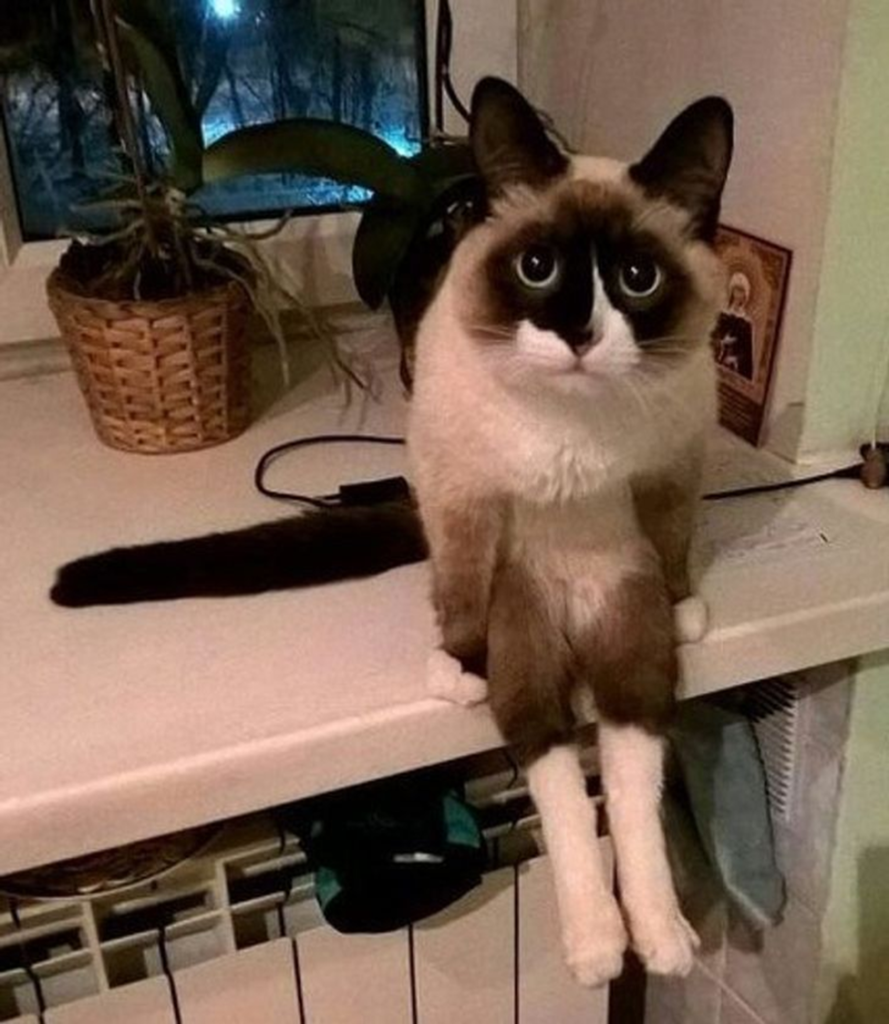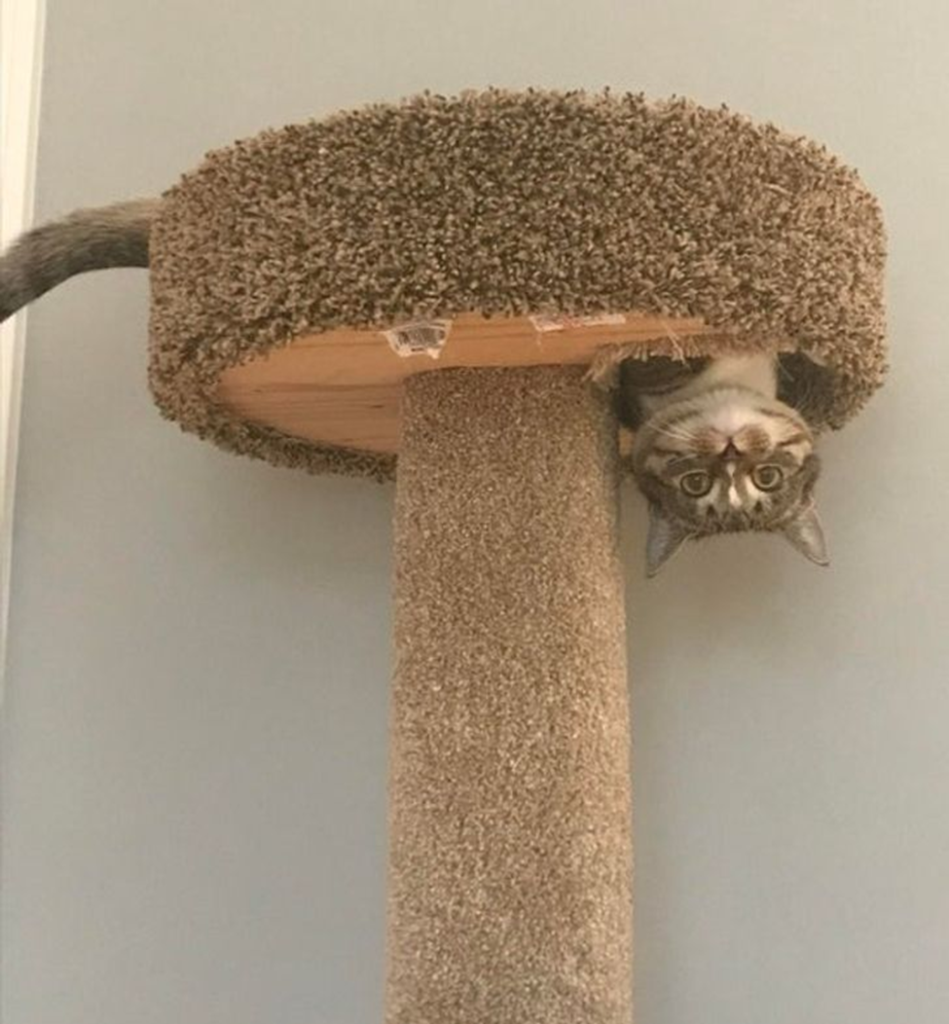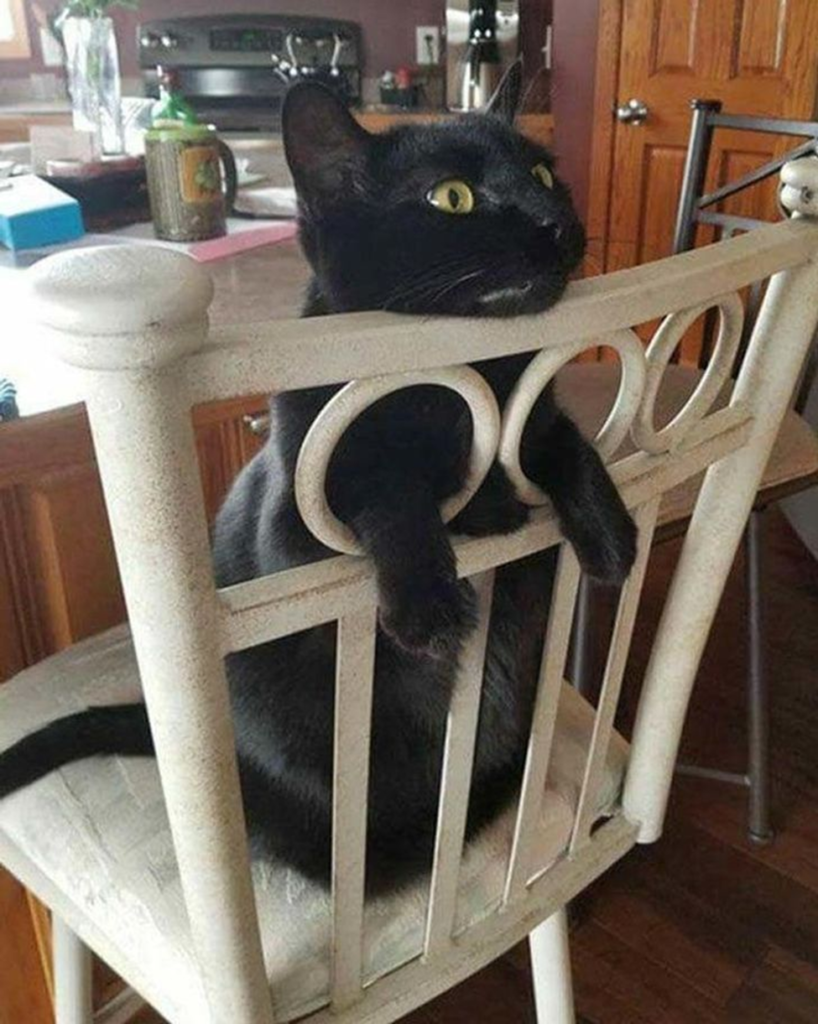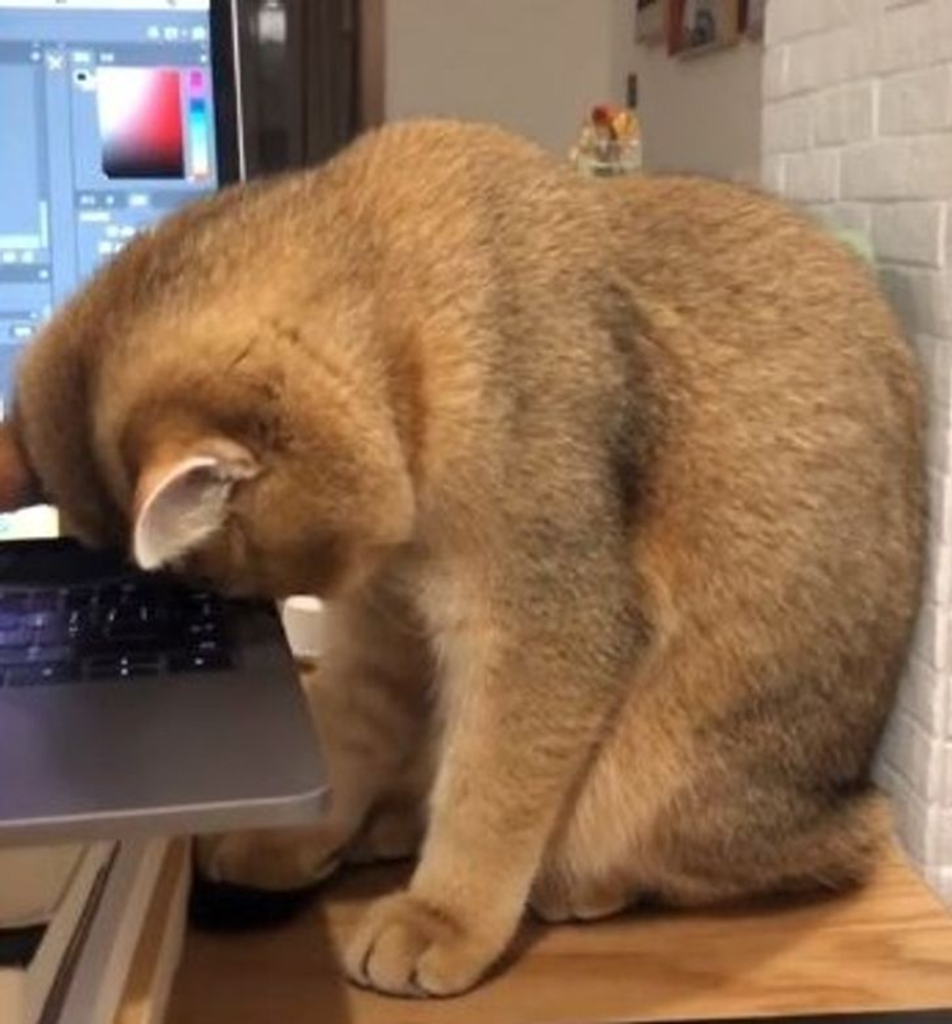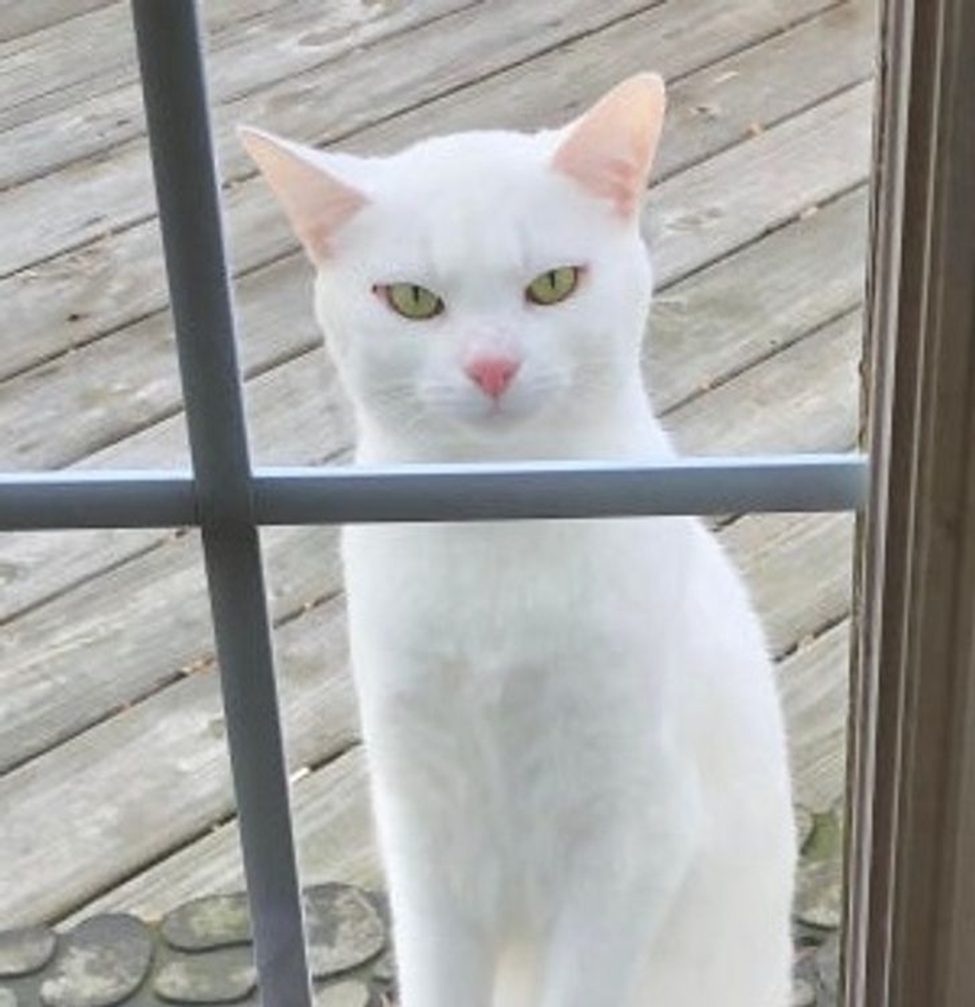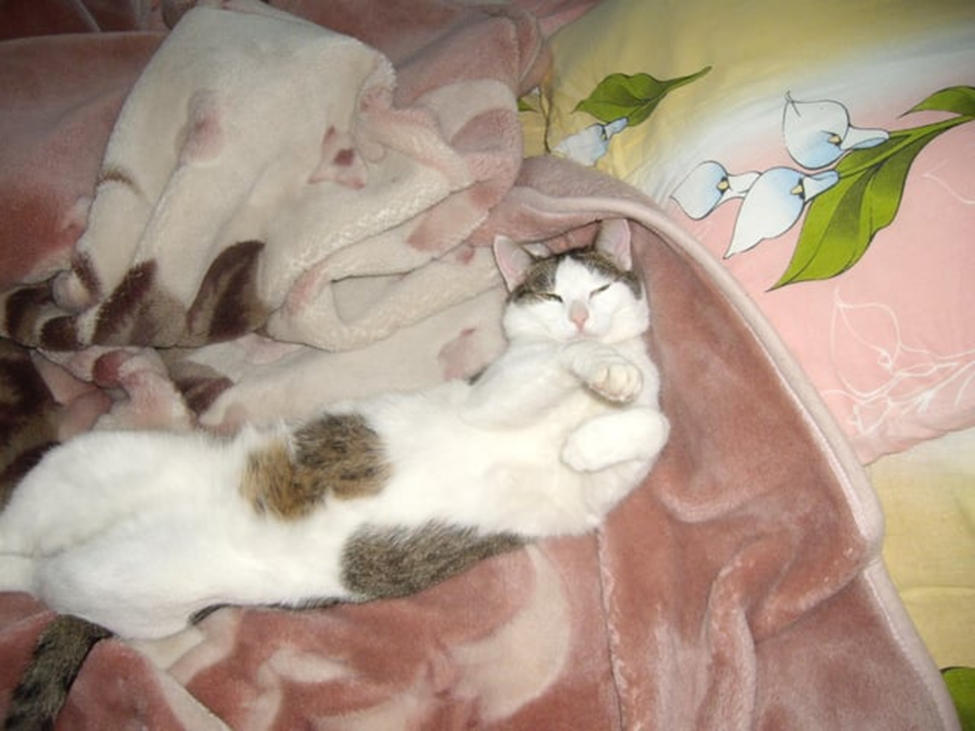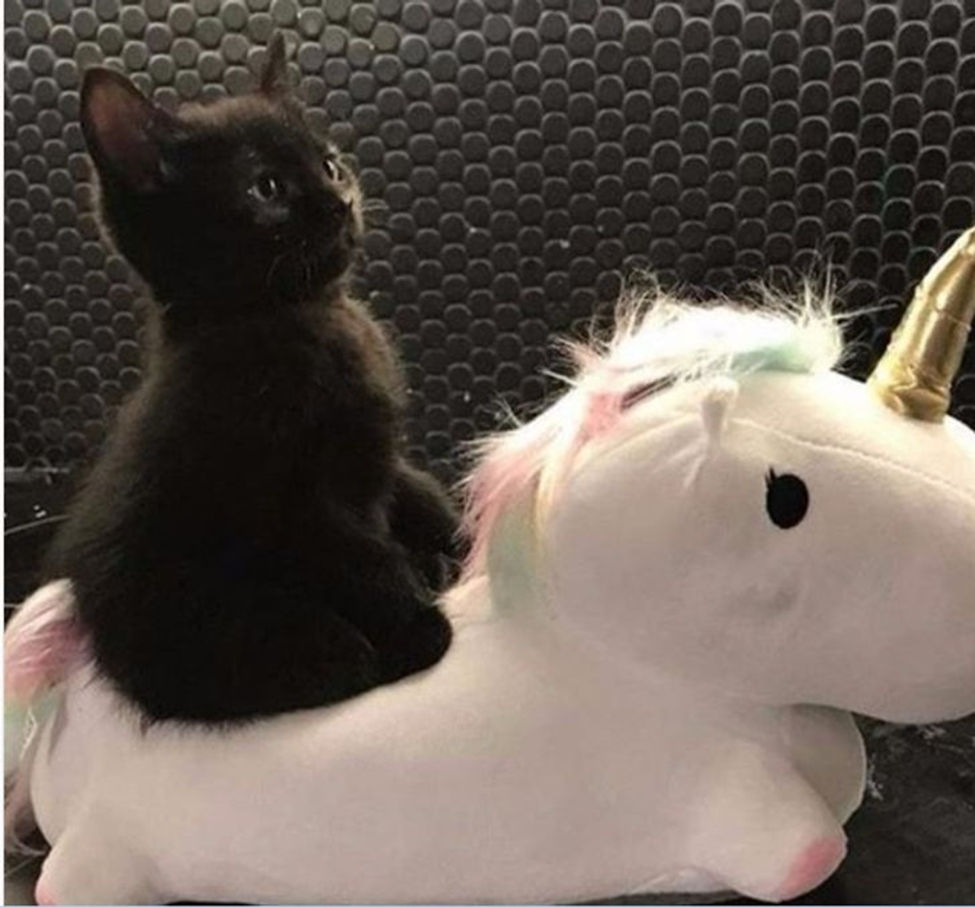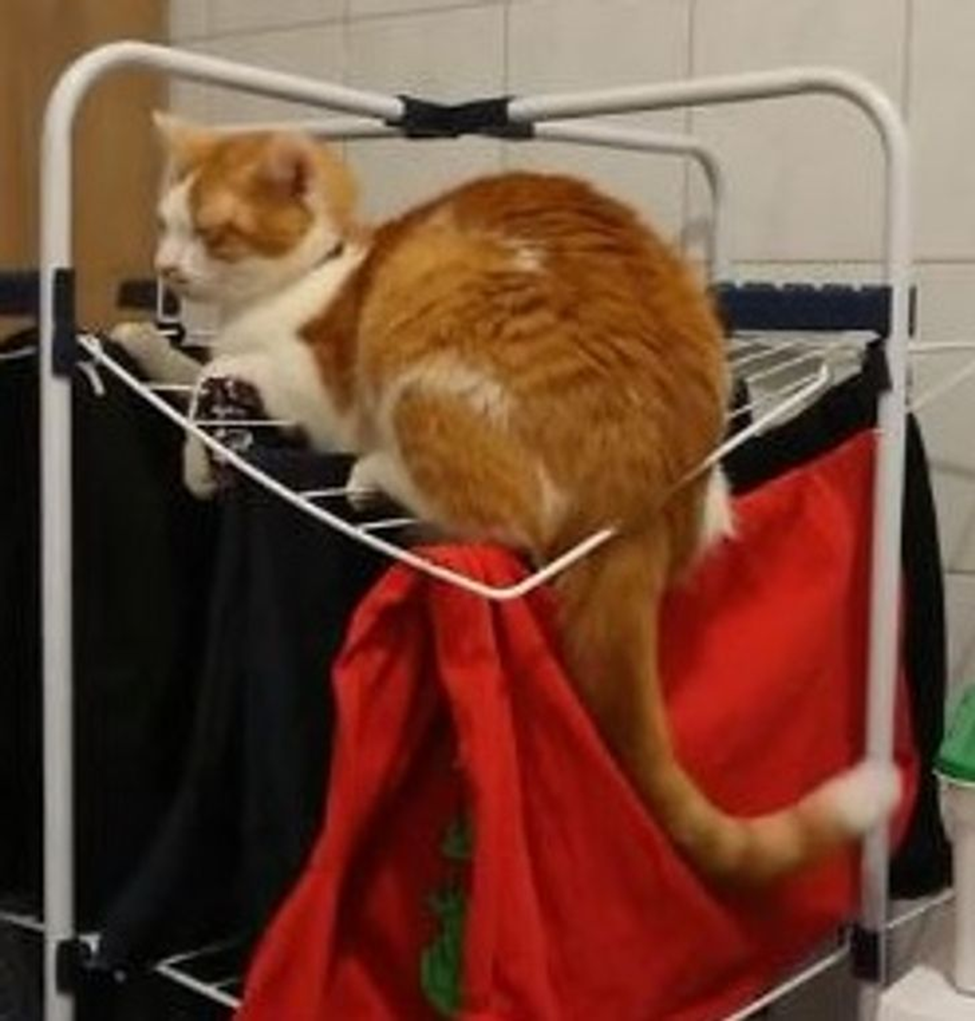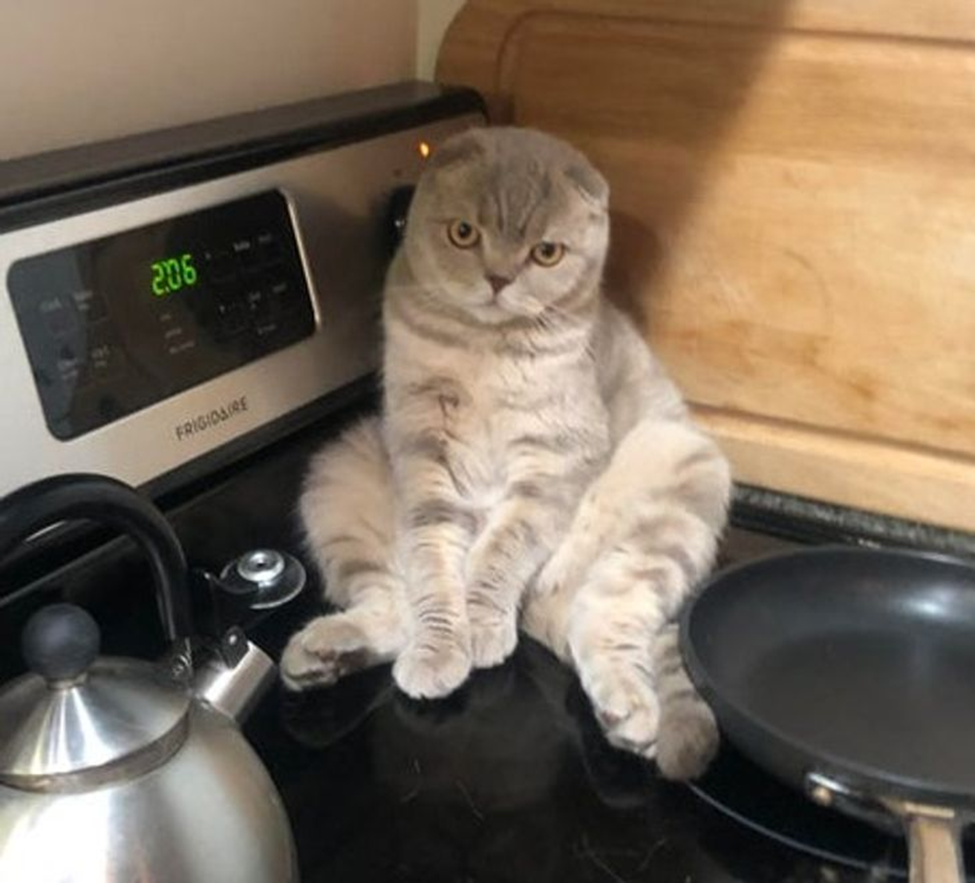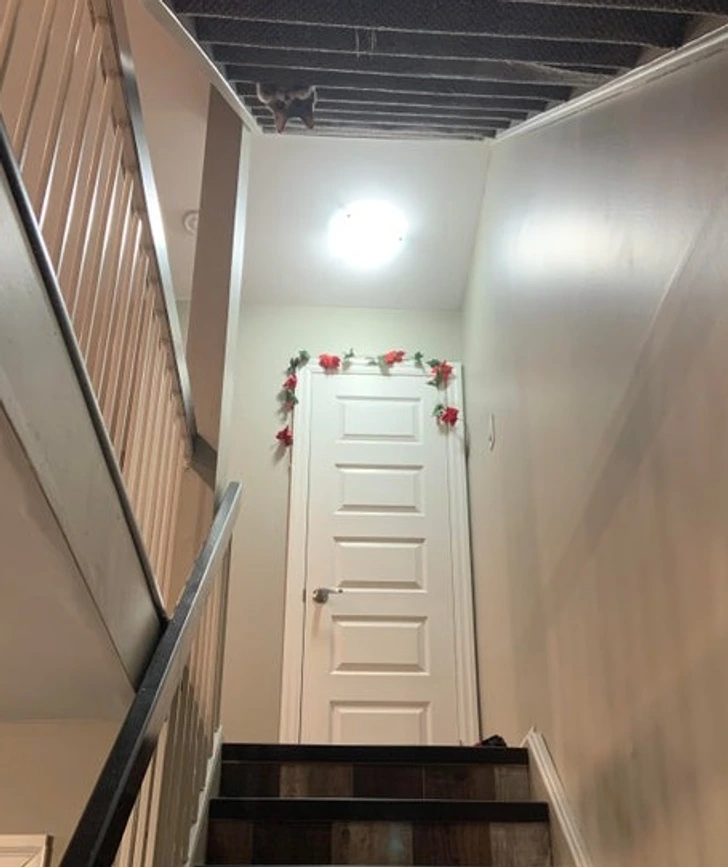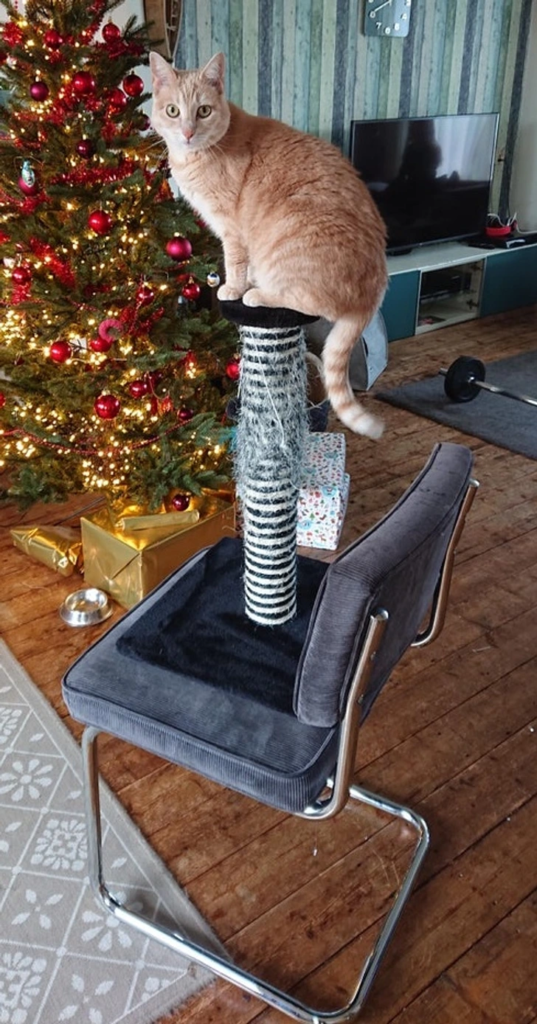

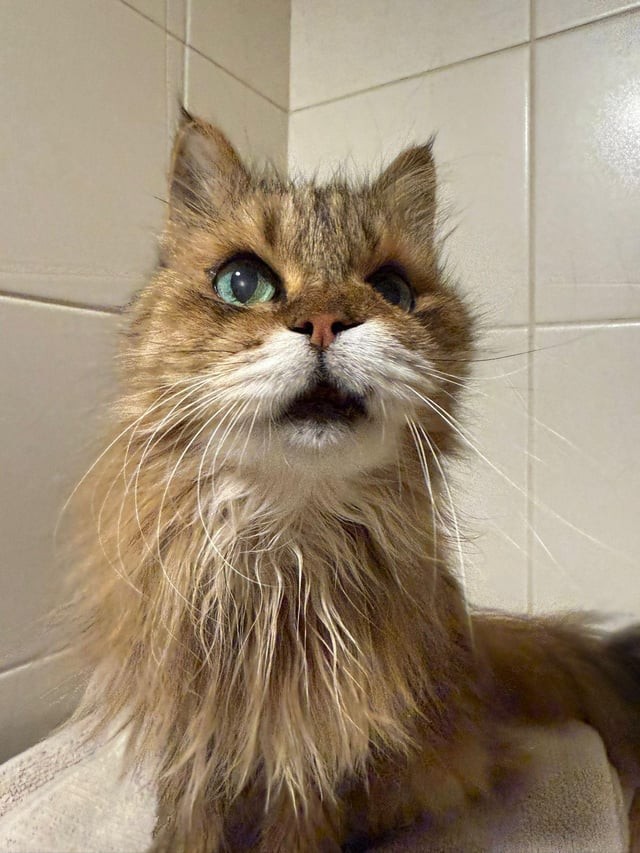
Cats are supposed to be graceful, intelligent little predators. At least that’s what nature intended.
Unfortunately, somewhere along the way, somebody clearly opened the settings menu, pressed random buttons, and released the final version into the world without testing it first.
Because modern house cats are absolute chaos.
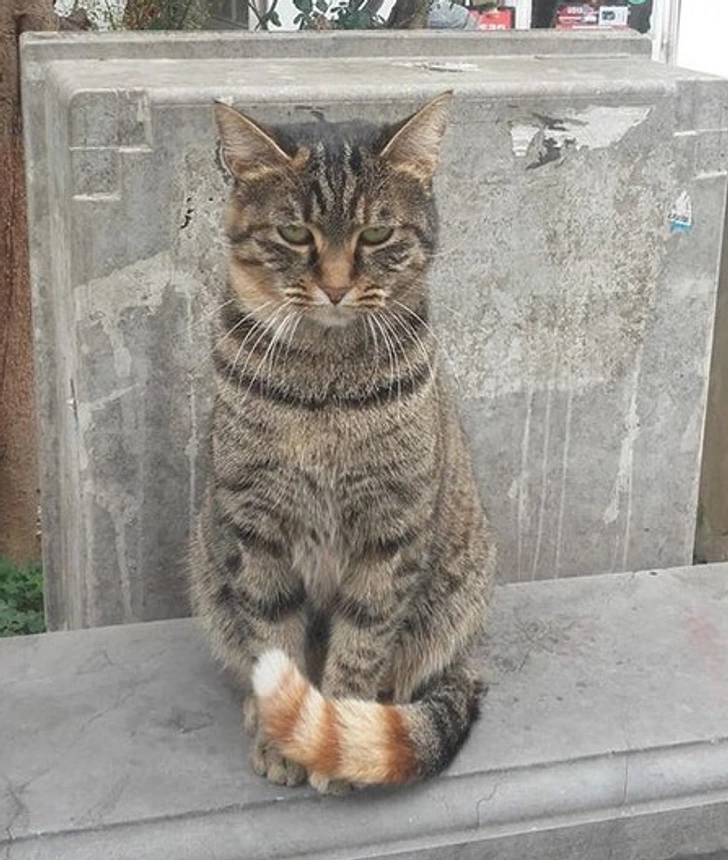
One minute they’re silently judging humanity from the top of the refrigerator like ancient gods. The next minute they’re terrified of a cucumber, screaming at invisible ghosts, or falling off a chair while completely awake.
And honestly? That’s exactly why people love them.
Every cat owner eventually realizes their pet is running on a very strange operating system. The brain loads slowly. Updates happen at random. Sometimes basic functions stop working for no reason at all.
For example, cats can perfectly calculate the exact landing angle needed to jump onto a tiny shelf from six feet away.
But they also regularly forget the existence of walls.
How does an animal survive in the wild while accidentally walking into glass doors? Scientists may never know.
Then there’s the energy-saving mode.
Cats can sleep for 16 hours straight, wake up exhausted, walk three steps to a different location, and continue sleeping like they just finished a double shift at the factory. Meanwhile, at 3:12 a.m., they suddenly transform into Olympic athletes possessed by ancient spirits.
This is usually the moment they begin sprinting through the hallway at the speed of sound for absolutely no visible reason.
No prey.
No danger.
No explanation.
Just vibes.
And somehow every cat owner accepts this behavior like it’s completely normal.
Another obvious settings malfunction is the fear response system.
Cats are fearless hunters capable of staring directly into the soul of larger animals. But they are also deeply afraid of plastic bags, socks, ceiling fans, and sometimes corners.
Corners.
A cat can spend ten minutes investigating a suspicious leaf like it’s a federal crime scene, then immediately try to eat electrical cables five seconds later.
The decision-making process is fascinating.
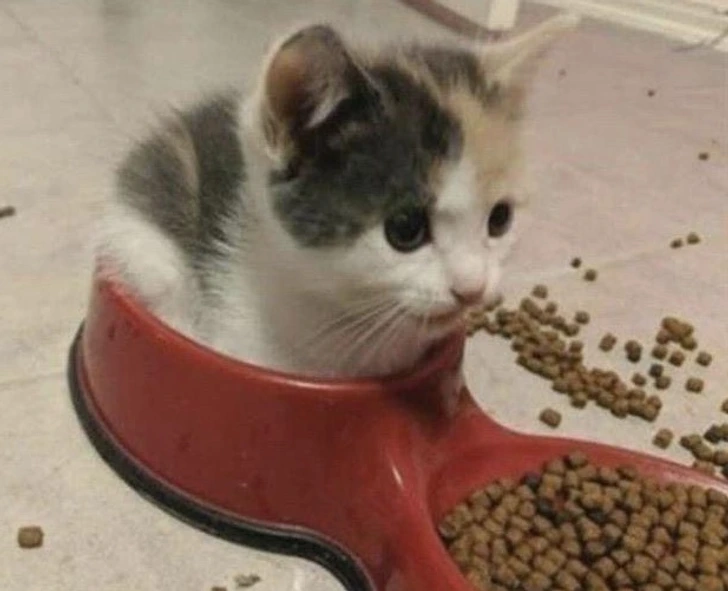
But perhaps the funniest broken feature is their obsession with things they technically should not fit inside.
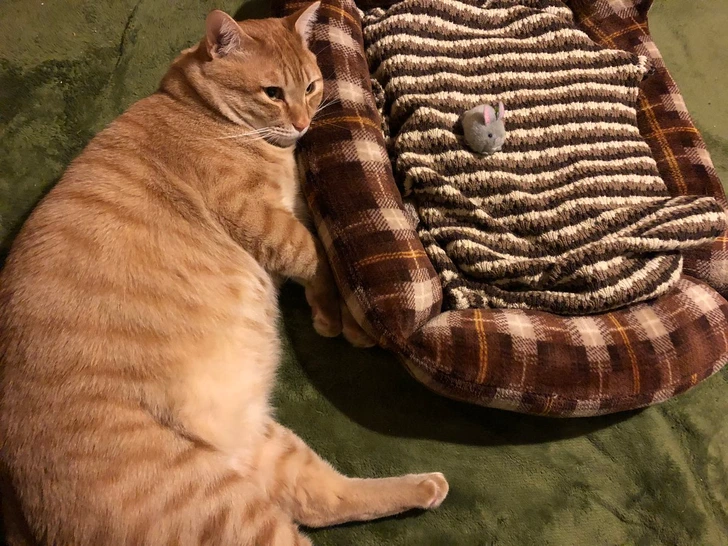
Buy a luxury cat bed? Ignored.
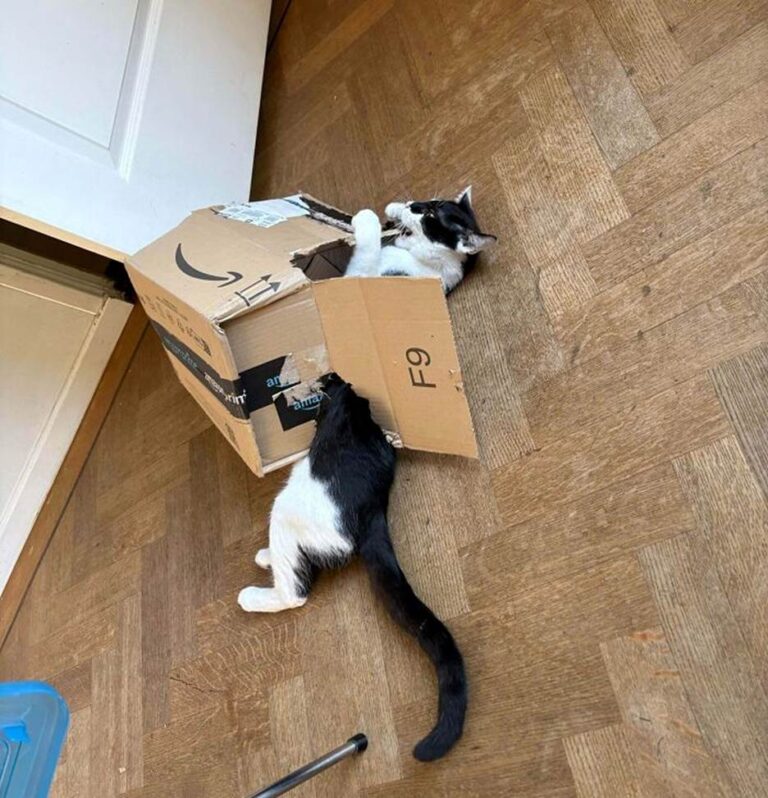
Leave a tiny cardboard box on the floor? Suddenly it becomes a five-star apartment.
Cats will aggressively fold themselves into containers clearly designed for objects much smaller than their own body. Logic does not apply here. If the head enters the box, the rest of the cat believes success is possible.
And somehow they always look proud afterward.
Then there’s the emotional support system, which also seems slightly bugged — but in the best way.
Cats act independent until the exact moment you close a bathroom door. Suddenly it becomes a personal betrayal. Some cats scream outside the door like abandoned Victorian children. Others shove their paws underneath dramatically as if conducting rescue operations.
Privacy no longer exists once a cat chooses you as their human.
And despite acting like tiny furry dictators most of the time, cats randomly become unbelievably sweet when nobody expects it.
They headbutt your face.
They curl up beside you after a bad day.
They slowly blink at you from across the room like tiny emotional support roommates who don’t pay rent.
It’s confusing, adorable, and incredibly effective.
Maybe that’s why the internet loves cats so much. Deep down, people relate to them. Cats are tired, dramatic, socially selective, occasionally unhinged, and somehow still lovable despite all of it.
They are tiny creatures powered almost entirely by confidence, confusion, and emotional instability.
And honestly, if someone really did mess up cats’ settings, they accidentally created one of the greatest animals on Earth.