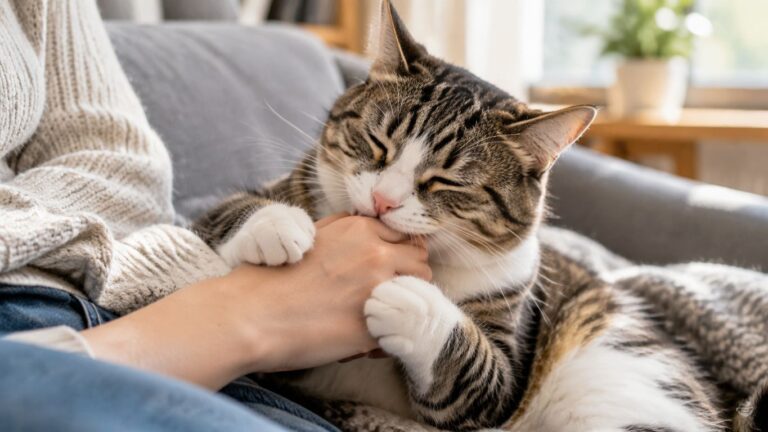
Why Do Cats Sleep So Much? Understanding Your Cat’s Sleeping Habits

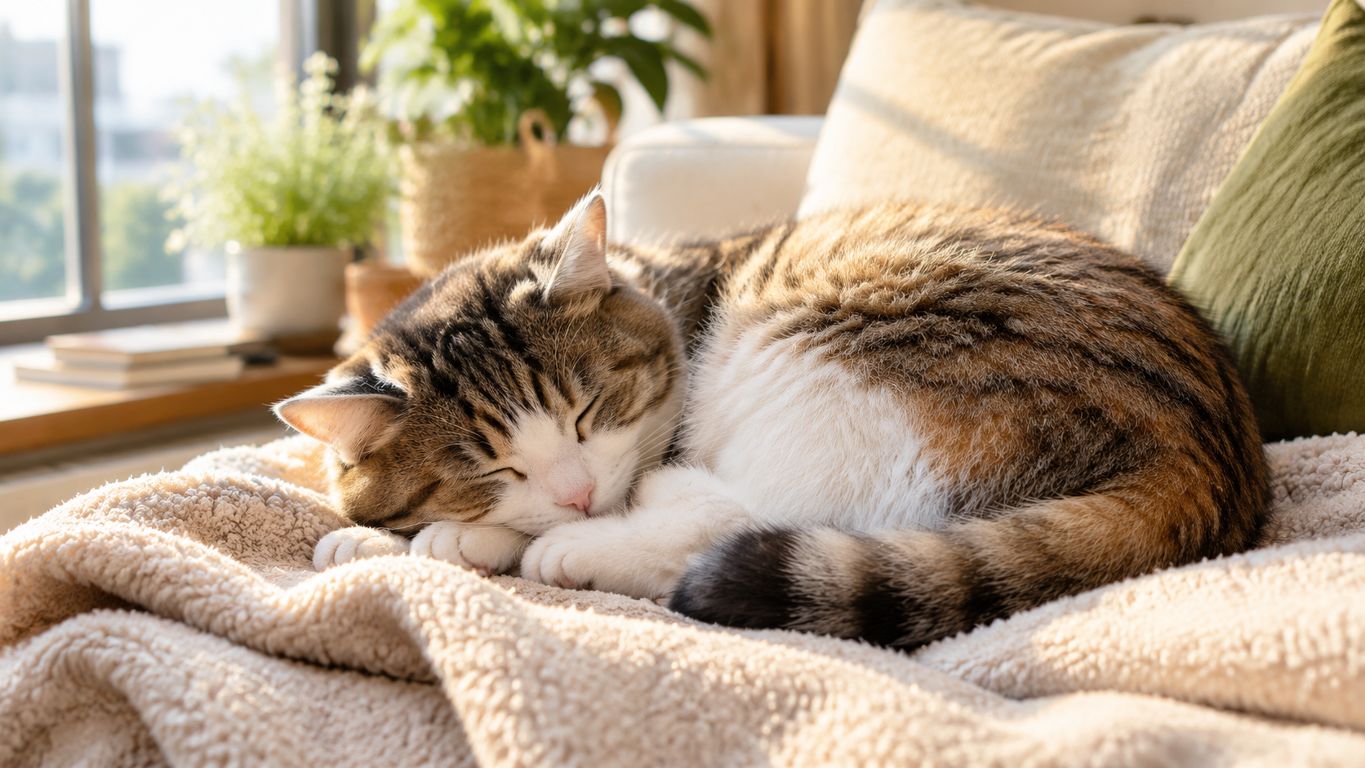
1. Cats Naturally Need Plenty of Sleep

Cats typically sleep around 12 to 16 hours a day, although some may sleep even longer. Kittens, senior cats, and cats with certain health conditions may need additional rest.
Unlike humans, who usually sleep for one long period at night, cats often sleep in several short periods throughout the day and night. These frequent naps allow them to rest whenever they feel tired.
You might notice your cat sleeping in the morning, waking up for food or playtime, and then returning to sleep a few hours later. This pattern is perfectly normal for many cats.
However, not every cat follows the same schedule. Some are more active than others, depending on their personality, environment, and daily routine.
2. Their Hunting Instincts Use Energy

Even though domestic cats receive their meals from their owners, they still have the instincts of natural hunters.
In the wild, cats need energy to stalk, chase, catch, and capture their prey. These activities require short bursts of intense physical effort. Resting between hunting sessions helps them conserve energy for the next opportunity.
Your indoor cat may not need to hunt for dinner, but its natural instincts remain. Playing with a feather toy, chasing a moving object, or running around the house can activate similar behaviors.
After an exciting play session, you may notice your cat settling down for a long nap. This is one reason cats can appear energetic for a short time and sleepy for the rest of the day.
3. Cats Are Often More Active at Dawn and Dusk

Have you noticed your cat becoming playful just before sunrise or around sunset? There is a natural explanation for this behavior.
Cats are generally described as crepuscular animals, meaning they tend to be most active around dawn and dusk. These periods can offer favorable conditions for hunting in the wild.
As a result, your cat may spend much of the afternoon sleeping before suddenly running through the house in the evening.
Some cats also become active during the night, especially when their daily routine does not match their owner’s schedule.
You can encourage a more comfortable routine by providing playtime during the evening and feeding your cat afterward. This may help your cat settle down when you are ready to sleep.
4. Age Makes a Difference

A cat’s age plays an important role in how much sleep it needs.
Kittens often sleep for 16 to 20 hours a day. Their bodies and brains are developing rapidly, so plenty of rest supports healthy growth and development.
Adult cats commonly sleep around 12 to 16 hours daily. Their sleeping patterns depend on their activity levels, surroundings, and individual needs.
Senior cats may spend more time resting because they have less energy or experience age-related changes. Older cats may also develop health problems that affect their sleep.
If your older cat suddenly starts sleeping much more than usual, do not automatically assume it is simply getting older. A veterinary checkup can help identify any underlying issues.
5. Their Environment Can Encourage Longer Naps

Cats love comfortable, quiet places where they feel safe. A warm windowsill, a soft bed, or a sunny corner can quickly become a favorite sleeping spot.
Indoor cats may also sleep more when they have limited opportunities for exercise and mental stimulation. Without toys, climbing spaces, or interactive play, much of their day can become predictable and inactive.
You can make your cat’s day more interesting by providing scratching posts, climbing shelves, puzzle feeders, and regular play sessions.
Rotating toys every few days can also help maintain your cat’s interest. These activities encourage movement and mental engagement without preventing your cat from getting the rest it needs.
6. When Should You Worry About Your Cat Sleeping Too Much?
Sleeping for long periods is usually normal, but sudden changes in sleeping habits deserve attention.
Pay attention if your cat sleeps significantly more than usual, becomes unusually tired, hides more often, loses interest in favorite activities, or shows changes in appetite or drinking habits.
Other warning signs include difficulty moving, unusual breathing, or problems using the litter box.
If your cat is difficult to wake, has trouble breathing, or suddenly cannot stand, seek urgent veterinary care. For less urgent but persistent changes, contact your veterinarian for advice.
Keep in mind that sleep duration alone does not tell you whether a cat is healthy. Changes in behavior and other symptoms are often more useful clues.
Final Thoughts
Cats sleep so much because their bodies naturally need plenty of rest, their hunting instincts encourage energy conservation, and their activity patterns differ from ours. Age, comfort, and daily stimulation also influence their sleeping habits.
As a cat owner, you do not need to worry simply because your pet spends most of the day napping. Instead, provide a comfortable sleeping area, offer regular playtime, and pay attention to changes in its usual behavior.
A well-rested cat can be a happy cat. By understanding its natural sleeping patterns, you can better support your furry companion’s comfort, health, and happiness.