Why Do Cats Love Hiding? 6 Reasons Your Cat Loves Secret Spots

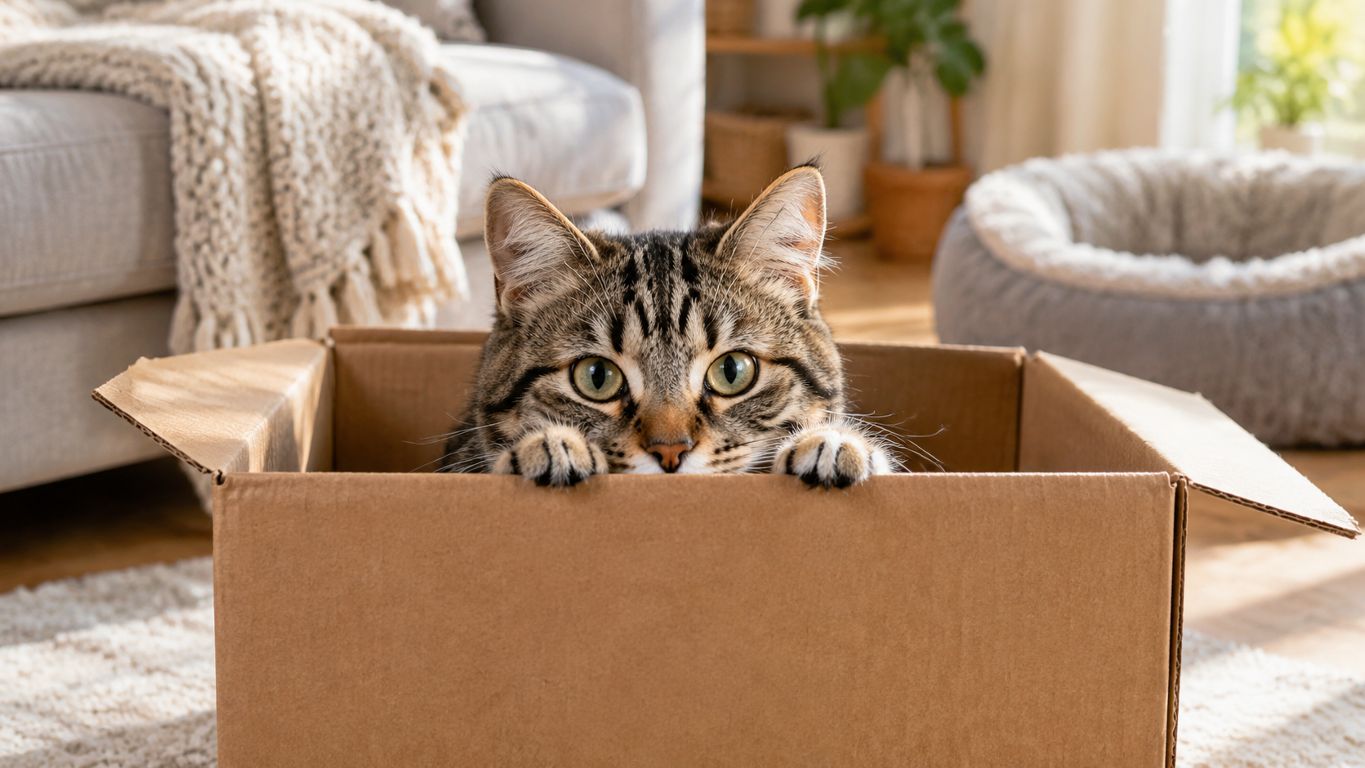
Have you ever searched your entire house for your cat, only to find them sleeping inside a cardboard box, hiding under the bed, or squeezing into a tiny space behind the sofa? If you have a cat, this probably sounds familiar. Cats seem to have a special talent for finding the strangest hiding places.
But why do cats love hiding so much? Is it simply a funny habit, or is there a reason behind this behavior? The truth is that hiding is a natural part of being a cat. It helps them feel safe, stay comfortable, and satisfy their natural instincts.
Let’s explore six reasons cats love hiding and what their favorite secret spots can tell us about them.
1. Hiding Makes Cats Feel Safe
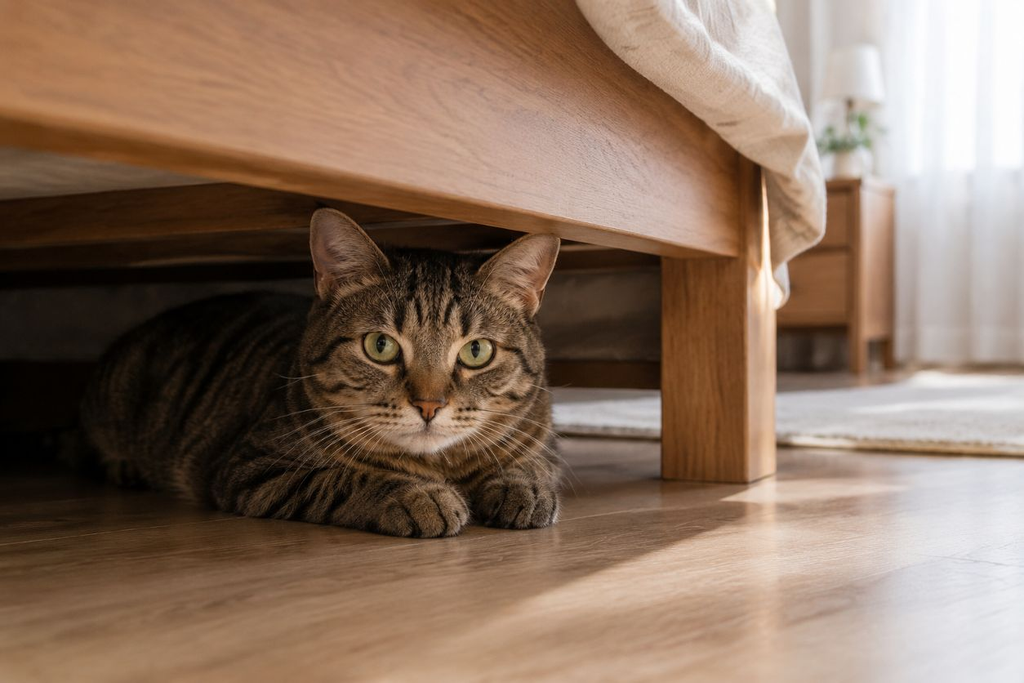
Even though domestic cats live comfortably in our homes, they still have natural instincts inherited from their wild ancestors. In the wild, cats need safe places to rest and protect themselves from potential dangers.
A small, enclosed space can make a cat feel protected. When a cat hides under a bed or inside a box, they can relax without worrying about everything happening around them.
This is especially true for shy cats or those living in busy households. Children, visitors, loud noises, and other pets can sometimes make them uncomfortable. A quiet hiding place gives them somewhere to escape when they need a break.
If your cat disappears whenever guests arrive, they may simply prefer watching the situation from a safe distance.
2. Cats Love Small, Cozy Spaces
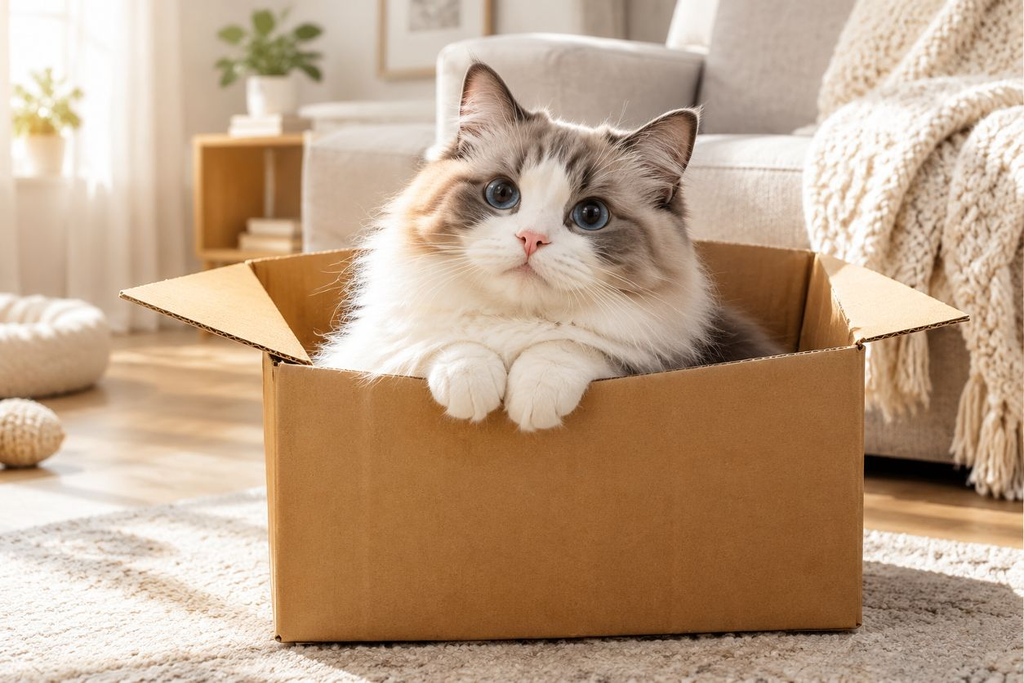
Have you ever wondered why your cat ignores an expensive cat bed but happily sleeps inside an empty delivery box?
Cats often prefer small spaces because they provide warmth, comfort, and a feeling of security. A cardboard box, laundry basket, or space between cushions can become the perfect sleeping spot.
Enclosed spaces also help cats conserve body heat. Cats generally enjoy warm places, which explains why they might squeeze under a blanket or settle inside a box that seems far too small.
Sometimes, the simplest hiding place becomes their favorite spot in the entire house. You can buy the fanciest cat furniture available, but your cat might still choose the empty box it came in.
3. Hiding Helps Cats Rest Peacefully
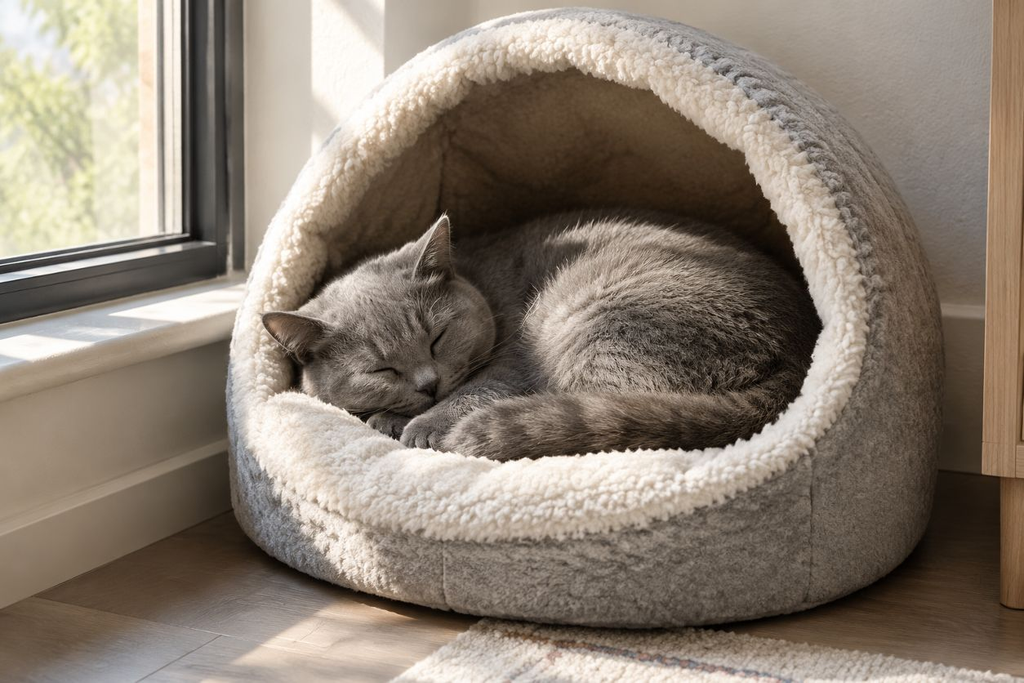
Cats spend many hours each day sleeping and resting. Although they can sleep in open areas, they often prefer quiet places where they will not be disturbed.
A hiding spot provides the peaceful environment they need. Under a chair, inside a cat tunnel, or behind a curtain, your cat can enjoy some uninterrupted rest.
This behavior is especially common in homes with several people or other animals. Just like humans sometimes need time alone, cats may want a little privacy.
If your cat regularly chooses a quiet corner for naps, there is usually no reason to worry. Give them space and avoid pulling them out just because you want to cuddle.
4. Hiding Satisfies Their Hunting Instincts
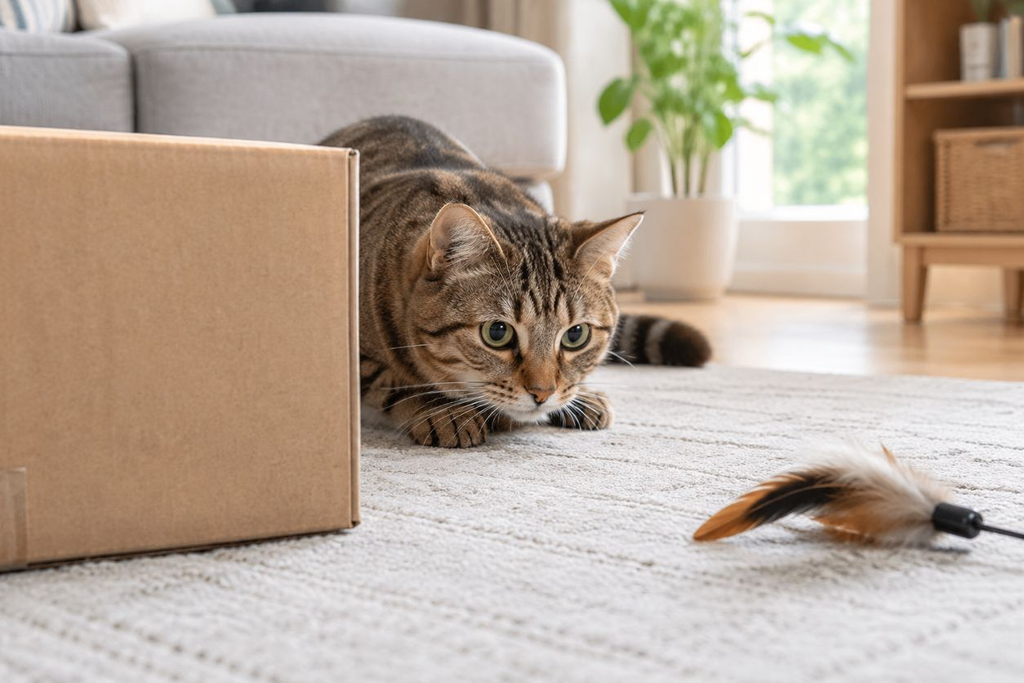
Cats are natural hunters, even when they have never needed to catch their own food. Their instincts encourage them to observe, stalk, and approach things without being noticed.
Hiding allows cats to practice these behaviors. A cat sitting behind a doorway may suddenly jump out at your feet. Another might crouch inside a box, waiting for a toy to pass by.
These little surprises are not always random. They can be part of your cat’s natural hunting and play behavior.
You can encourage this instinct safely with cat tunnels, cardboard boxes, puzzle feeders, and interactive toys. These activities provide mental stimulation and help keep indoor cats entertained.
5. Sometimes, Cats Hide Because They Feel Stressed
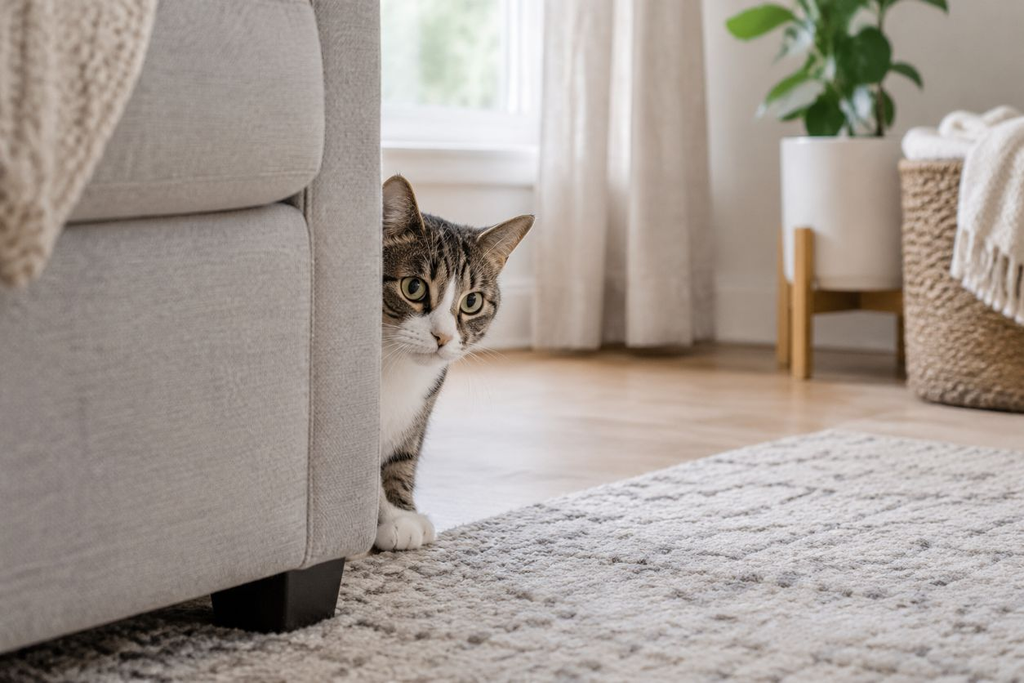
Not every hiding habit is connected to comfort or play. Cats may also hide when they feel frightened, anxious, or overwhelmed.
Moving to a new home, introducing another pet, changing household routines, or hearing unfamiliar noises can make a cat seek shelter.
Temporary hiding after a stressful event is often normal. Give your cat time to adjust, keep the environment calm, and make food, water, and litter facilities accessible.
Never force a frightened cat to interact with visitors. Let them approach when they feel ready, and reward calm behavior with treats or gentle attention.
However, pay attention if your cat suddenly starts hiding much more than usual. Cats sometimes hide when they are sick or in pain. If hiding comes with reduced appetite, unusual tiredness, vomiting, or changes in litter box habits, contact a veterinarian.
6. How to Make Hiding Safe for Your Cat
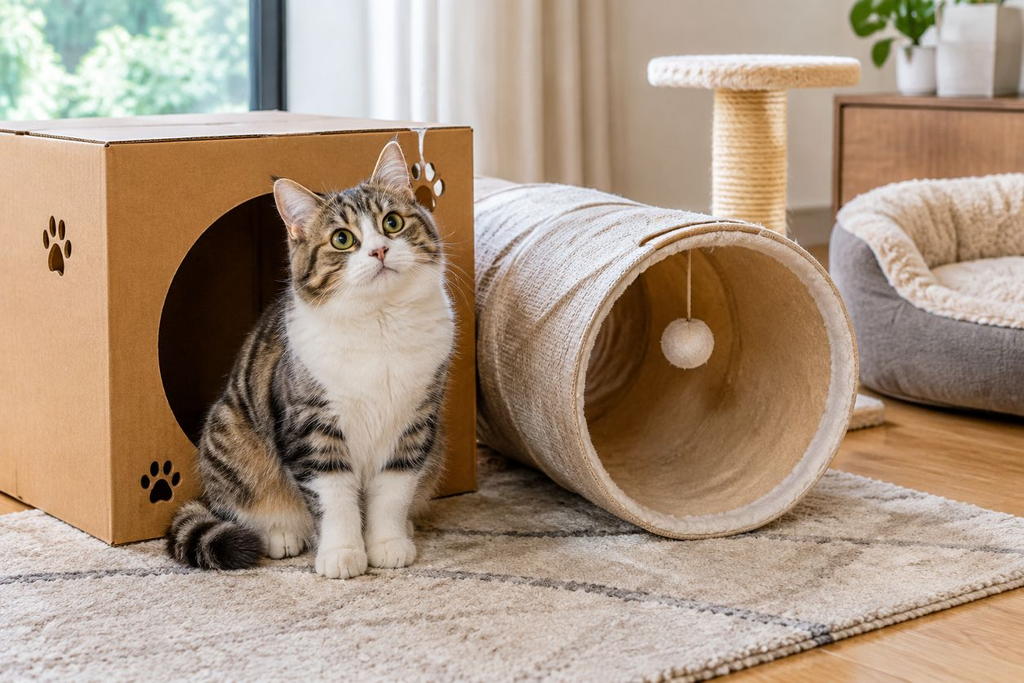
You do not need to stop your cat from hiding. Instead, provide safe places where they can relax without getting trapped or injured.
Consider adding a covered cat bed, a sturdy cardboard box, or a cat tunnel to a quiet corner. Make sure hiding places have enough room and safe entrances and exits.
Check potentially dangerous areas, including washing machines, dryers, reclining furniture, cupboards containing chemicals, and narrow spaces where your cat could become trapped.
Never force your cat out of a hiding place unless there is an immediate safety concern. Allowing them to choose when to come out helps them feel more secure.
Final Thoughts
Cats love hiding because it helps them feel safe, warm, comfortable, and entertained. From cardboard boxes to mysterious spaces beneath the bed, their favorite hiding places reflect their natural instincts and individual personalities.
As long as your cat is eating, drinking, behaving normally, and coming out regularly, hiding is usually nothing to worry about. Give them a few safe hiding spots, respect their need for privacy, and enjoy the funny places they choose to call their own.